

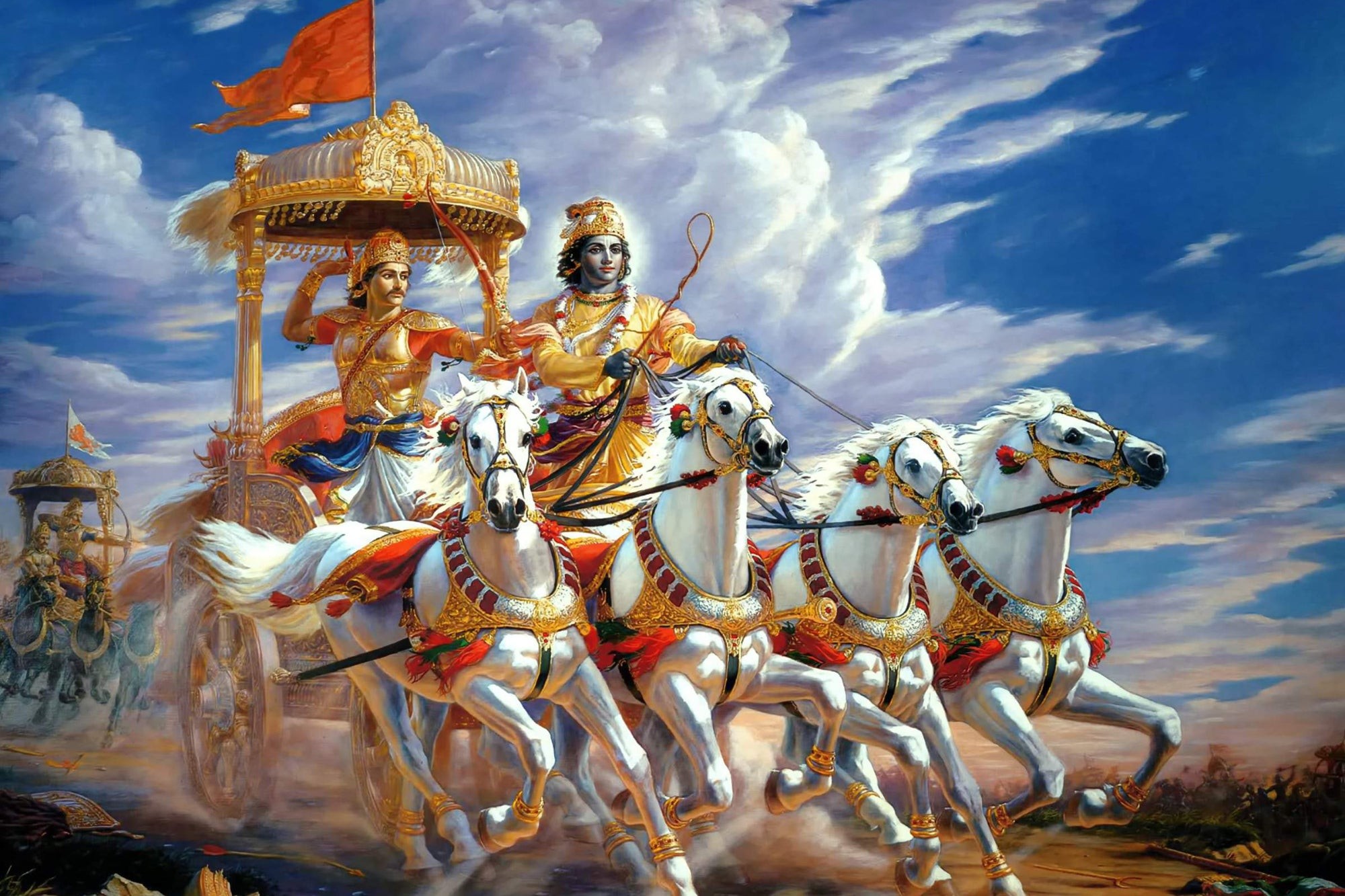
TEXT 6
तत्र सत्त्वं निर्मलत्वात्
प्रकाशकम् अनामयम् ।
सुखसङ्गेन बध्नाति
ज्ञानसङ्गेन चानघ ॥ ६ ॥
tatra sattvaṁ nirmalatvāt
prakāśakam anāmayam
sukha-saṅgena badhnāti
jñāna-saṅgena cānagha
SYNONYMS
tatra—there; sattvam—the mode of goodness; nirmalatvāt—being purest in the material world; prakāśakam—illuminating; anāmayam—without any sinful reaction; sukha—with happiness; saṅgena—by association; badhnāti—conditions; jñāna—with knowledge; saṅgena—by association; ca—also; anagha—O sinless one.
TRANSLATION
O sinless one, the mode of goodness, being purer than the others, is illuminating, and it frees one from all sinful reactions. Those situated in that mode become conditioned by a sense of happiness and knowledge.
PURPORT
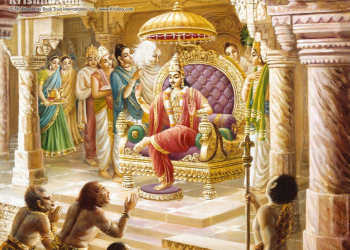
The living entities conditioned by material nature are of various types. One is happy, another is very active, and another is helpless. All these types of psychological manifestations are causes of the entities' conditioned status in nature. How they are differently conditioned is explained in this section of Bhagavad-gītā. The mode of goodness is first considered. The effect of developing the mode of goodness in the material world is that one becomes wiser than those otherwise conditioned. A man in the mode of goodness is not so much affected by material miseries, and he has a sense of advancement in material knowledge. The representative type is the brāhmaṇa, who is supposed to be situated in the mode of goodness. This sense of happiness is due to understanding that, in the mode of goodness, one is more or less free from sinful reactions. Actually, in the Vedic literature it is said that the mode of goodness means greater knowledge and a greater sense of happiness.
The difficulty here is that when a living entity is situated in the mode of goodness he becomes conditioned to feel that he is advanced in knowledge and is better than others. In this way he becomes conditioned. The best examples are the scientist and the philosopher. Each is very proud of his knowledge, and because they generally improve their living conditions, they feel a sort of material happiness. This sense of advanced happiness in conditioned life makes them bound by the mode of goodness of material nature. As such, they are attracted toward working in the mode of goodness, and, as long as they have an attraction for working in that way, they have to take some type of body in the modes of nature. Thus there is no likelihood of liberation, or of being transferred to the spiritual world. Repeatedly one may become a philosopher, a scientist or a poet, and repeatedly become entangled in the same disadvantages of birth and death. But, due to the illusion of the material energy, one thinks that that sort of life is pleasant.